
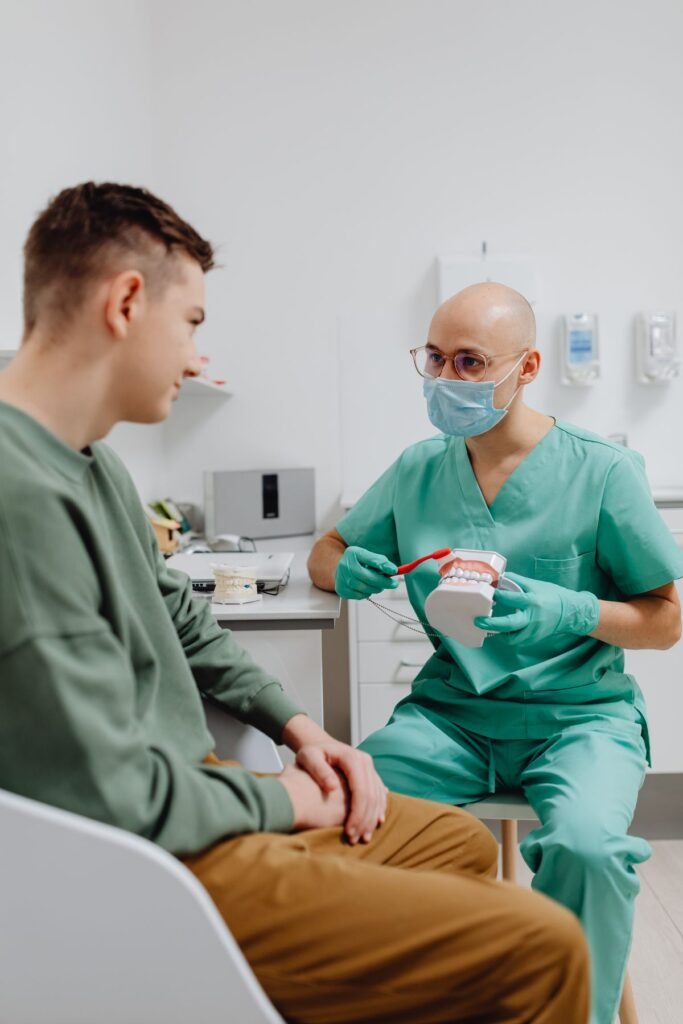
A dental emergency is any oral problem that needs urgent care to ease severe pain, control bleeding, or save a tooth. The good news is that most dental emergencies are treatable, especially with fast professional help. If you are facing sudden pain or an injury, contacting a reliable dental clinic in Toronto quickly gives the best outcome.
Knowing what counts as an emergency helps you stay calm and act quickly. Honey Smile Dentistry is a premium boutique clinic in the North York area of Toronto, focused on comfort and personalized care. Learn more about the practice at Honey Smile Dentistry.
Some emergencies, like a lost tooth, may later need restorative options such as dental implants once healing is complete.
After urgent care, your smile can be fully restored with cosmetic dentistry. To plan follow-up treatment, you can request an appointment online.
What Counts as a Dental Emergency?
A dental emergency involves severe pain, trauma, bleeding, or infection, all of which need prompt attention.
- Severe or persistent toothache
- Knocked-out or dislodged tooth
- Cracked or fractured tooth with pain
- Swelling or a dental abscess
- Uncontrolled bleeding after injury
Issues That Can Usually Wait
- Minor chip without pain
- Lost filling with no sensitivity
- Brief, mild sensitivity
First Aid for Common Emergencies
Knocked-Out Tooth
- Hold the tooth by the crown, not the root.
- Rinse gently if dirty; do not scrub.
- Reinsert it or store it in milk.
- See a dentist within 30 to 60 minutes.
Severe Toothache
- Rinse with warm salt water.
- Floss to remove trapped debris.
- Use a cold compress for swelling.
- Contact your dentist promptly.
Do not place aspirin directly on the gums, as it can burn the tissue. Home measures are temporary until you receive professional care.
Urgent vs. Routine Care
| Situation | Timing |
|---|---|
| Knocked-out tooth | Within the hour |
| Abscess or swelling | Same day |
| Cracked tooth with pain | Within 24 hours |
| Minor chip, no pain | Next appointment |
Why Prompt Treatment Matters
Delaying care can let infection spread or cause a savable tooth to be lost. Fast, professional treatment protects both comfort and long-term oral health.
If you have a fever, difficulty swallowing, or swelling that affects breathing, treat it as a medical emergency and seek immediate care.
Preventing Dental Emergencies
- Keep up with regular checkups
- Wear a mouthguard during sports
- Avoid chewing ice or hard objects
- Address small issues early
Comfortable, Reliable Care in North York
A trusted local clinic makes emergencies far less stressful. Honey Smile Dentistry offers a welcoming environment, accepts new patients, and prioritizes comfort. Reach the clinic at +1 437-525-2715 or info@test.honeyaestheticclinic.ca, located at 12 Inn on the Park Dr, Toronto, ON, Canada, M3C 0P9.
Frequently Asked Questions
How fast should I act for a knocked-out tooth?
Ideally within 30 to 60 minutes. Quick action greatly improves the chance of saving the tooth.
Is every toothache an emergency?
Not always, but severe or persistent pain with swelling should be assessed promptly.
What should I do if a filling falls out?
Keep the area clean, avoid chewing on that side, and book a prompt appointment.
Can I manage pain at home overnight?
Temporary measures can help, but they are not a substitute for a professional diagnosis.
Are dental abscesses dangerous?
Yes. An abscess is a serious infection needing prompt treatment, as it can spread if ignored.
Conclusion
Dental emergencies are stressful, but most resolve well with fast, professional care. Knowing what is urgent helps you respond calmly. Keep a trusted local clinic’s details handy so help is always within reach.